
Charlotte winters are unpredictable.
Some years we get a dusting of snow and everything shuts down for three days. Other years it's mild enough to wear a light jacket in January. But one thing's for sure: when the temperature drops, the last thing you want is a house full of clutter creating problems you didn't see coming.
Here's the thing about cold weather. It doesn't just make you want to stay inside. It turns ordinary clutter into actual hazards. Blocked vents. Frozen pipes. Fire risks. Pest highways. Stuff you didn't think twice about in July becomes a real problem in December.
So before the first hard freeze hits, let's talk about how to protect your home from cold weather clutter.
The Real Risks of Winter Clutter
Let's start with why this matters.
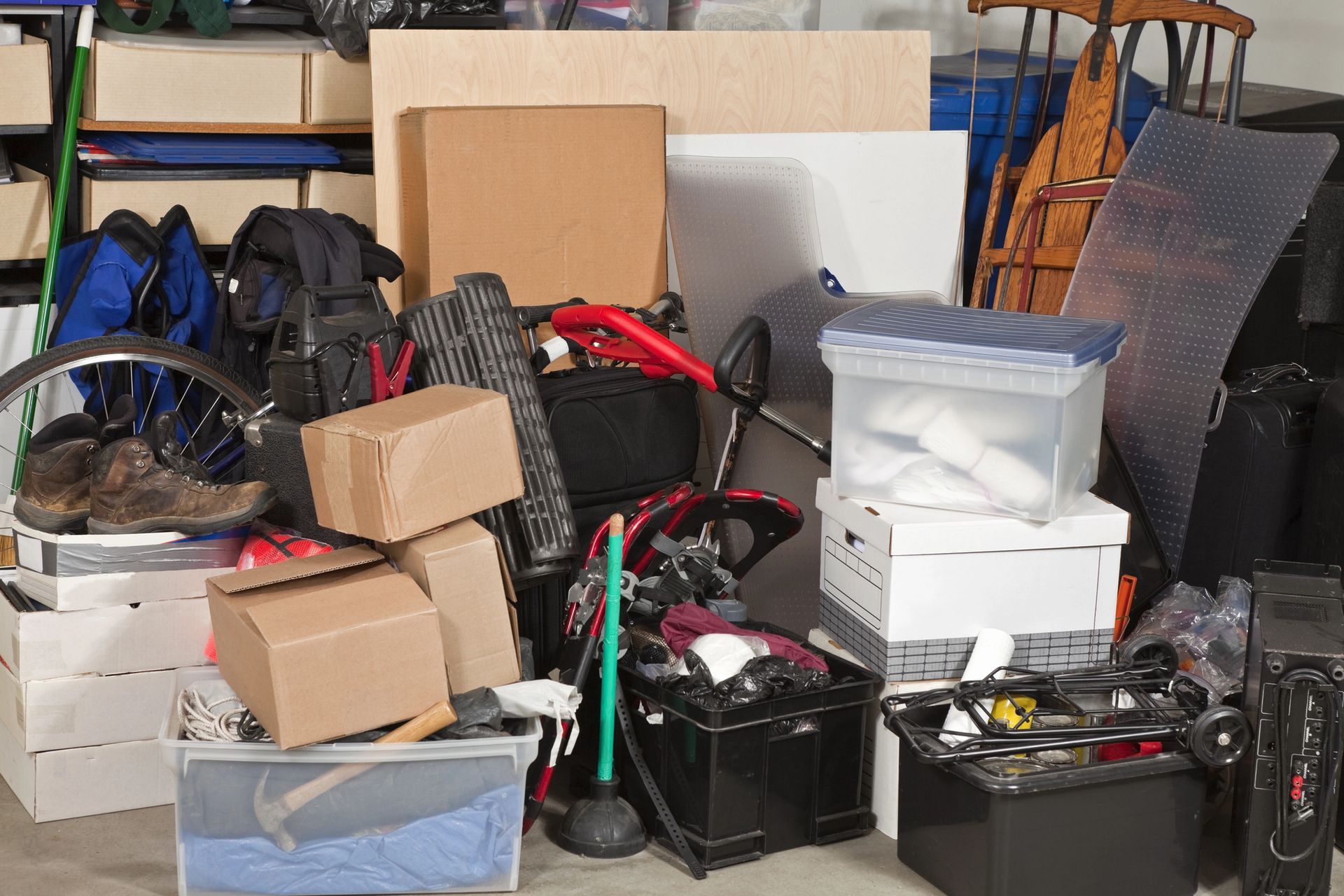
Blocked vents and heaters. If your garage, basement, or utility room is packed with boxes and furniture, you might be blocking HVAC vents, water heaters, or furnace access. That's not just inefficient—it can be dangerous.
Frozen pipes. Pipes in exterior walls, crawl spaces, or unheated basements are vulnerable to freezing. If clutter is piled against those walls, you can't see leaks or feel cold drafts. And if a pipe bursts behind a wall of boxes? You won't know until it's a much bigger problem.
Fire hazards. Space heaters near clutter. Old paint cans and chemicals stored near the furnace. Extension cords buried under boxes. Cold weather means more indoor heating, which means more risk.
Pest highways. Rodents and insects love a good pile of undisturbed stuff. Cardboard boxes, old clothes, paper—it's all nesting material. And when the temperature drops, they're looking for a warm place to stay. Your clutter pile is a five‑star hotel.
Mold and moisture. Winter means snow, rain, and condensation. If your basement or garage has water intrusion and clutter is soaking it up, you've got a mold problem waiting to happen.
Start with the Obvious: Clear Your Vents
Walk through your home and find every HVAC vent, return air grille, and baseboard heater. Make sure nothing is blocking them.
In the garage or basement, check that your furnace, water heater, and any other equipment has at least a few feet of clear space around it. That's not just for efficiency—it's for safety.
If you've got boxes stacked against the furnace or furniture pushed up against the water heater, move them. Today.
Protect Your Pipes
If you've got pipes in exterior walls, a crawl space, or an unheated basement, they need attention before the first freeze.
Clear the area around them. If clutter is piled against those walls, you can't see leaks or feel cold drafts.
Insulate exposed pipes. Foam pipe insulation is cheap and easy to install. It's one of the best things you can do to prevent frozen pipes.
Know where your shut‑off valve is. If a pipe does burst, you want to be able to turn off the water fast.
If you're leaving town for the holidays, don't turn the heat off completely. Keep it at least 55 degrees to prevent freezing.
And if your basement or crawl space is so cluttered you can't even get to the pipes? That's a problem worth solving before winter.
Declutter Before the Holidays
The holidays are coming. That means guests, decorations, gifts, and more stuff coming into your home.
If your guest room is currently a storage unit, or your garage is so full you can't park in it, now's the time to deal with it.
The 4‑step triage system works here too:
Keep – What do you actually need? Winter gear, holiday decorations you'll use, tools for snow and ice. Keep those accessible.
Donate – Usable furniture, clothing, and household goods. We work with Habitat for Humanity, Crisis Assistance Ministry, and The Salvation Army. Your old stuff can help someone else stay warm this winter.
Recycle – Electronics, scrap metal, cardboard, glass. All of it can be salvaged.
Dispose – Broken furniture, expired chemicals, moldy items, things that are truly done.
A Special Note on Hazardous Materials
Winter is a bad time to have old paint cans, solvents, or chemicals sitting around.
If you've got half‑empty paint cans from a summer project, or old chemicals in the garage, now's the time to deal with them. Mecklenburg County has drop‑off sites for hazardous household waste. Or call us—we know where it goes.
Don't store them near your furnace. Don't leave them where they could freeze and crack. And don't let them sit there another year.
Don't Forget the Outdoor Stuff
Cold weather clutter isn't just inside.
Patio furniture – If it's seen better days, don't drag it into the garage to deal with "later." That's how garages fill up. If it's usable, donate it. If it's broken, let it go.
Grills and propane tanks – Store propane safely, away from the house. If you've got an old grill you're not using, let it go.
Yard equipment – Winterize your mower, drain the gas, and store it properly. Same for trimmers and other tools.
Holiday decorations – Before you drag out the boxes, sort through what you've got. Broken lights, tangled cords, decorations you haven't used in years. Donate what's usable, recycle what you can, and dispose of the rest.
The Junk Rescue Way
When we show up for a winter cleanup, we don't just grab everything and dump it in a landfill. We use our Respond, Rescue, Save, Restore framework on every call.
Respond. You call, we answer. 24/7.
Rescue. We take the weight off your shoulders. You point, we haul.
Save. We sort as we go. Usable furniture and household goods go to Habitat for Humanity, Crisis Assistance Ministry, or The Salvation Army. Electronics and recyclables get salvaged.
Restore. We leave your space clean, safe, and ready for winter.
Ready to Winter‑Proof Your Home?
Before the cold settles in, take a walk through your house. Look for blocked vents, cluttered basements, and piles that have been sitting too long.
If you find stuff that needs to go, we can help.
Call our 24/7 junk hotline at 1‑800‑JUNK‑911 or click below. Send us a few photos, and we'll give you a ballpark price.
We'll show up, haul it out, and make sure it gets sorted right.
No judgment. Just help.
Recent Posts