Hoarding vs. Cluttering: Understanding the Difference and Getting the Right Help
The Team at Junk Rescue • March 21, 2026

Let's talk about something that doesn't get discussed enough.


Most of us have that one closet. Or that corner of the basement. Or that garage shelf where stuff just... accumulates. Magazines we meant to read. Projects we meant to finish. Boxes we never unpacked.


That's normal. Life gets busy, and clutter happens.


But there's a difference between a messy garage and something more serious. And understanding that difference matters—not just for getting your space back, but for getting the right kind of help.


At Junk Rescue, we've been walking into Charlotte homes since 2009. We've seen every version of "too much stuff." And we've learned that the right approach starts with understanding what we're looking at.

First, Let's Define Our Terms


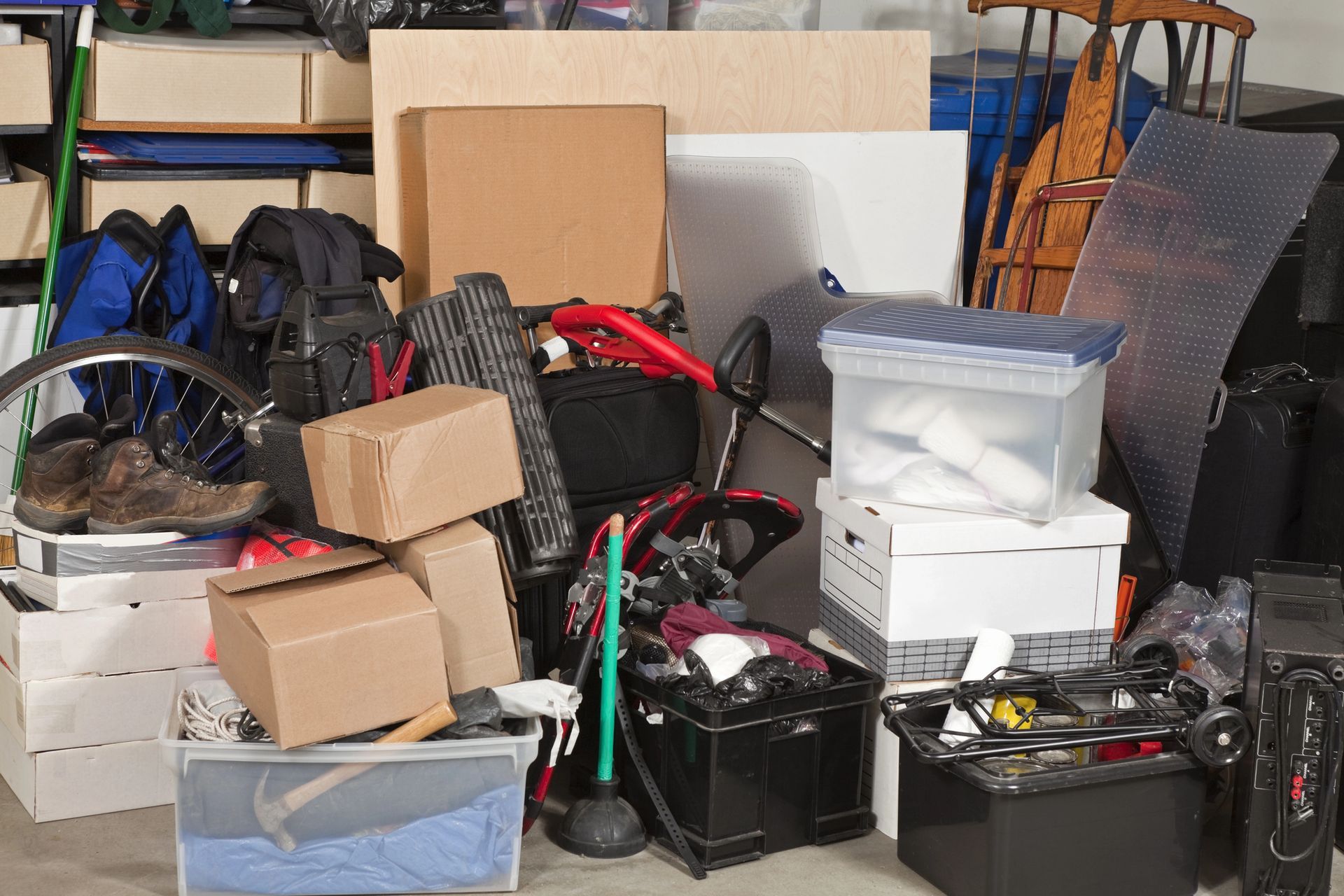
Clutter is what most of us deal with. It's the accumulation of stuff that's gotten out of hand—usually because of busy schedules, life transitions, or just not having a system. Cluttered spaces are messy and overwhelming, but they're not typically unsafe. The person living there is aware of the mess and probably wants to do something about it.


Hoarding is different. Hoarding is a recognized mental health condition. People who hoard experience a genuine, intense distress at the thought of getting rid of items—even items that most people would consider trash. The accumulation goes beyond mess and into unsafe territory: blocked exits, rotting food, structural damage, fire hazards.


Here's the most important difference: someone with clutter can usually part with things, even if it's hard. Someone who hoards genuinely can't—at least not without professional support.

Why This DiffWe get calls for both. And we handle them completely differently.


A clutter cleanup is straightforward. You point, we haul. We sort through donations, recycling, and trash. We're in and out, and you've got your space back.


A hoarding situation requires something else entirely.


It requires patience. It requires compassion. It requires understanding that we're not just dealing with stuff—we're dealing with a person who is likely ashamed, anxious, and overwhelmed. They may not want us there. They may change their mind mid-cleanout. They may need us to stop and start again another day.


And that's okay.

How We Approach Hoarding Situations


At Junk Rescue, we built this company on a simple idea: respect, zero judgment, and doing the hard work others avoid.

When we get a call about a hoarding situation—whether it's from a family member, a property manager, or the person themselves—here's what we do:


We listen first.


We don't walk in with assumptions. We ask questions. What's the goal here? Who's involved? What's the timeline?

We move at their pace.


Some cleanouts happen in one day. Some happen over weeks or months. We follow the lead of the person we're serving.

We never shame.


Ever. Not a look. Not a sigh. Not a whispered comment to each other. The people we're helping already feel terrible about their situation. Our job is to relieve that burden, not add to it.


We sort with care.


Just because an item looks like trash to us doesn't mean it's trash to them. We check. We ask. We set things aside. We make sure nothing leaves that shouldn't.f not, at least we tried.

How We Approach Clutter Cleanouts


If you're reading this and thinking "okay, but my garage is just a mess—I'm not that," here's what you can expect:


We show up fast. Call our 24/7 junk hotline at 1-800-JUNK-911 and we'll get you on the schedule.


We walk through the space with you, give you a straight price, and get to work.


We sort as we go. Donatable furniture goes to Habitat for Humanity. Clothing and home goods go to Crisis Assistance Ministry or The Salvation Army. Electronics and recyclables get salvaged. Trash gets disposed of properly.


We haul everything out. We sweep up. We leave your space clean and ready to use.


Simple. Respectful. Done.

Signs It Might Be Time to Call for Help


Whether you're dealing with clutter or something more serious, here are some signs that it's time to bring in backup:


  • You can't use your garage for your car anymore
  • You've got pathways through rooms instead of open floor space
  • You're avoiding having people over because you're embarrassed
  • You've got expired food, pests, or mold
  • You're not sure what's in half those boxes
  • A family member has expressed concern
  • You want to make a change but don't know where to start


Any of these sound familiar? Give us a call. No judgment. Just help.

The Junk Rescue Difference


We've been at this since 2009. We've seen it all—from slightly messy garages to situations that made the news. And through it all, we've held onto the same values:


We respond. You call, we show up. 24/7.


We rescue. We take the weight off your shoulders.


We save. We give stuff a second chance when we can.


We restore. We leave your space clean and ready for whatever's next.


We're not here to judge. We're here to help.

Ready to Take the First Step?


Whether your space needs a quick cleanout or something more involved, we're here.


Call our hotline: 1-800-JUNK-911


Or click below for a free quote. We'll come out, walk through it with you, and give you a straight price. No pressure. No shame. Just help.

Recent Posts

Pile of trash, including bags, wood scraps, and a blue pool float, in a grassy yard.
By The Team at Junk Rescue March 10, 2026
So here's a question we hear all the time: "Can't you just throw this in the dumpster?"  And look, we get it. When you're knee-deep in a garage cleanout or staring down a basement full of stuff you didn't even know you had, the easiest thing in the world is to just want it all gone. One pile. One truck. Done. But after 15 years of doing this, we've learned something: not everything belongs in a landfill. Some stuff is actually valuable. Some stuff is straight-up hazardous. Some stuff has materials that can live a second life. And some stuff—believe it or not—is actually illegal to toss in the regular trash here in Mecklenburg County. At Junk Rescue , we started with a simple question back in 2009: What if junk removal could be about more than just hauling stuff to the dump? What if we could actually recover things instead? That question stuck. And it's still how we think about every single job. So before you drag that pile to the curb, here are five things you should never throw in a landfill—and what to actually do with them.
Cluttered basement storage room with shelves, boxes, and various items. Overcast lighting, dirt on floor.
By The Team at Junk Rescue March 4, 2026
Let's be honest for a second.  The garage and the basement—they're where stuff goes to die, right? The boxes you never unpacked from the last move. The exercise equipment you were absolutely going to use. The holiday decorations from three presidents ago. The "I'll fix it someday" projects. The mystery bins. The things you forgot you even owned. And somewhere, buried in the back, maybe a lawnmower or a washer and dryer that still actually work. If this sounds familiar, you're not alone. Here in Charlotte, from the bungalows of Dilworth to the split-levels of Ballantyne, garages and basements have a way of filling up when we're not looking. Life gets busy. And that pile becomes a burden. At Junk Rescue , we've been walking into garages and basements since 2009—back when brothers Blake and Brad Redden first started asking a simple question: What if junk removal could prioritize recovery over disposal? That question led to a mission. And that mission guides how we handle every cleanout, from a single corner to a whole house. Consider this your roadmap. Here's how to tackle that garage or basement—without losing your mind
By The Team at Junk Rescue February 26, 2026
If you've ever sold a house or managed a rental property, you know the drill.  The sellers have moved out, but they've left behind... stuff. A couch in the basement. A dresser in the garage. Boxes of who-knows-what in the attic. Maybe a whole apartment full of furniture from a tenant who skipped out. And now the clock is ticking. Showings start in three days. The new owners are closing next week. Or the new tenant moves in on Friday and that bedroom is still full of someone else's life. In those moments, you need more than someone with a truck. You need a trusted partner capable of restoring order and handling unwanted materials with discipline, discretion, and care. That's where we come in. At Junk Rescue , we work with realtors and property managers all over Charlotte—from Uptown condos to Myers Park estates to South End apartments and beyond. We've been at this since 2009, when brothers Blake and Brad Redden started asking a simple question: What if junk removal could prioritize recovery over disposal? That question became a commitment. And that commitment now defines every cleanout we do.
By The Team at Junk Rescue February 19, 2026
Alright, let's be real for a second. If you're reading this, there's probably a corner of your house—or maybe your whole garage—that you've been avoiding. The "I'll deal with it later" pile that turned into the "is that thing growing mold?" situation. We get it. Life gets busy. And here in Charlotte, whether you're in a cozy Plaza Midwood bungalow or a sprawling Ballantyne family home, stuff just... accumulates.  But here's the good news: cleaning out that junk doesn't have to be a nightmare. In fact, if you approach it like we do—with a rescue mindset—you might even feel pretty good about it. Here's how we think about junk at Junk Rescue , and how you can too.